🎯

Coloring and Focus in Children

7 min read6 sectionsUpdated February 10, 2026
Coloring and Focus in Children

Focus is one of the most critical skills in a child's academic journey and overall development. Yet many parents notice their child struggling to stay attentive for more than a few minutes on any given task. Coloring, a simple and accessible activity, is a remarkably effective tool for training this attention capacity gradually and naturally.

This guide explores in depth the connection between coloring and concentration. It offers concrete strategies to help your child develop their attention span, taking into account their age and individual characteristics.

Why Children Struggle to Concentrate
1

Why Children Struggle to Concentrate

A child's brain is still under construction. The prefrontal cortex, the region responsible for attention control, planning and distraction inhibition, does not fully mature until around age 25. In a 3 or 4-year-old, this brain area is still very immature, which explains the natural difficulty in sustaining attention.

The modern environment adds further complexity. Screens, present from the earliest age, train the child's brain to expect rapid, colorful and constantly changing stimulation. When faced with a calm activity requiring sustained effort, the contrast is striking and boredom sets in quickly. Fatigue, lack of sleep, poor nutrition or sensory overload can also significantly affect the ability to concentrate.

It is essential to remember that each child develops at their own pace. A 4-year-old who cannot sit still for more than 5 minutes does not necessarily have a concentration problem. They may simply be within the normal range for their age. Understanding these natural limits helps set realistic expectations and avoid frustration for both the child and the parent.

💡 Key takeaways

  • The prefrontal cortex does not fully mature until around age 25
  • Screens train the brain to expect rapid and constantly changing stimulation
  • Fatigue and lack of sleep directly affect a child's ability to concentrate
  • A 4-year-old focusing for only 5 minutes is within the normal range
  • Each child has their own unique pace of attentional development
Coloring as Attention Training
2

Coloring as Attention Training

Coloring engages several cognitive functions related to attention simultaneously. The child must observe the picture to identify areas to fill. They must choose a color, which involves decision-making. They must then control their hand movements to stay within the outlines, requiring precise and sustained hand-eye coordination.

This combination of visual, decisional and motor tasks creates what neuroscience calls a state of flow or absorbed attention. The child is fully engaged without the effort feeling unpleasant. Unlike formal schoolwork, coloring is not associated with obligation, which makes it all the more effective as a training tool.

Several developmental psychology studies have shown that repetitive, structured manual activities like coloring activate the parasympathetic nervous system, promoting calm and mental availability conducive to focus. The regular rhythm of the coloring gesture has an almost meditative effect on the child's brain.

Coloring also offers the advantage of immediate visual feedback. The child sees the zone gradually filling with color, which sustains motivation and engagement. This continuous positive feedback is a powerful lever for extending attention duration, session after session.

💡 Key takeaways

  • Coloring combines visual, decisional and motor tasks all at once
  • The flow state of absorbed attention makes the effort feel natural
  • The parasympathetic nervous system activates through regular repetitive gestures
  • Immediate visual feedback sustains motivation and extends attention duration
  • Unlike schoolwork, coloring is not associated with obligation or pressure
3

Building Focus Duration by Age

It is fundamental to adapt expectations to the child's age. A 2 to 3-year-old can generally focus for 3 to 8 minutes. At this age, the activity is more scribbling than structured coloring, and that is perfectly normal. The goal is simply to get them used to sitting down and manipulating a tool.

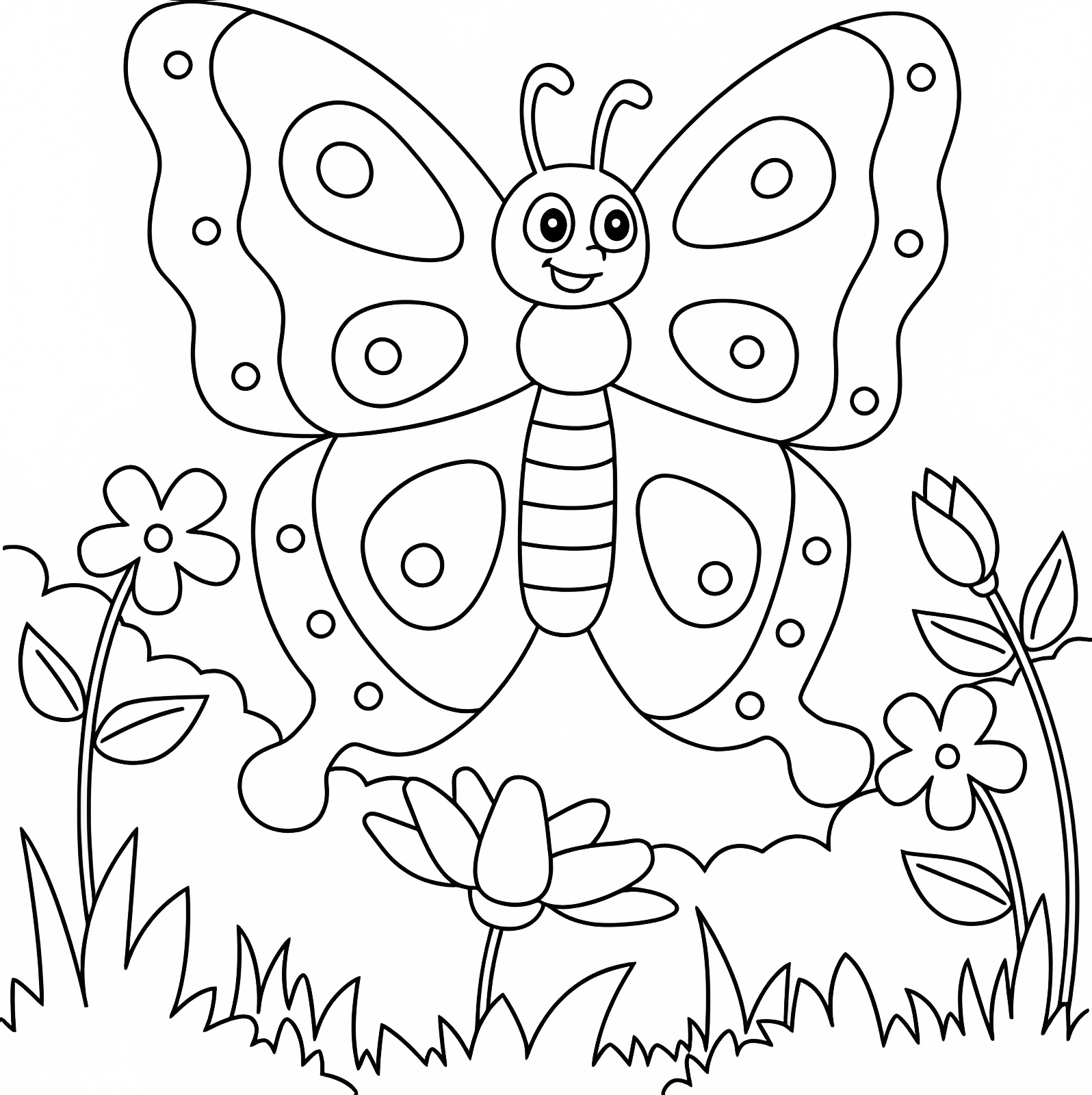
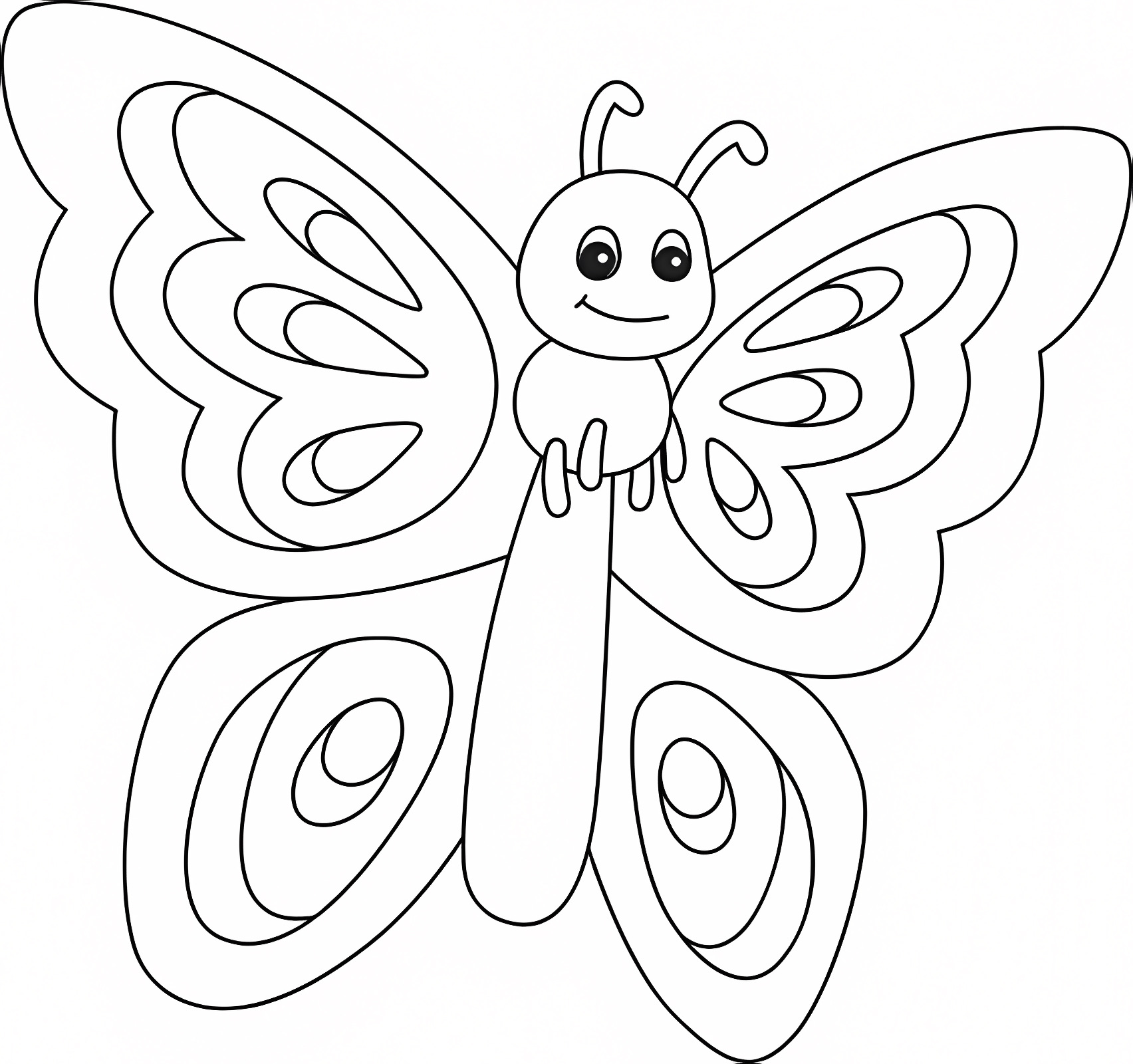
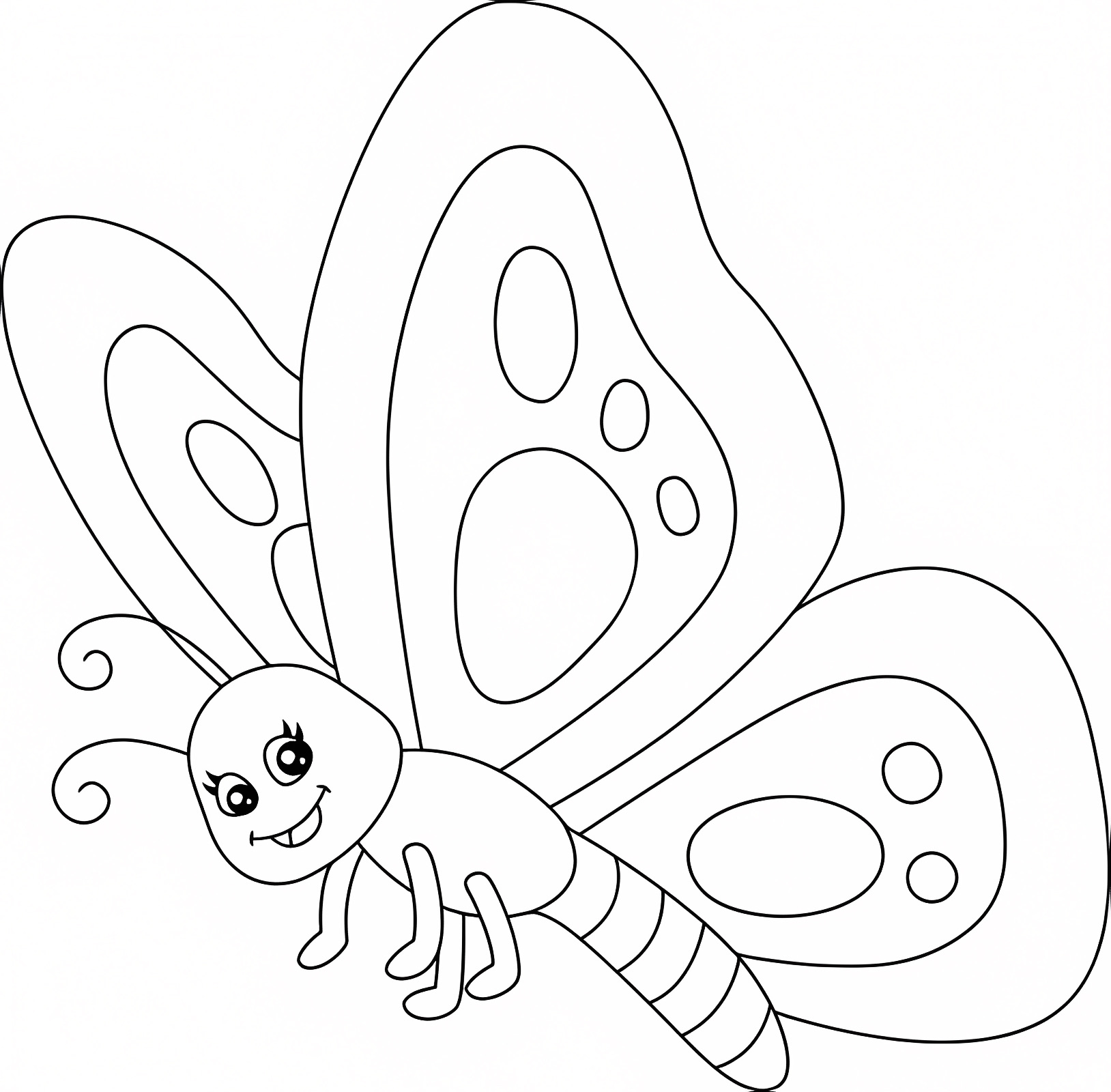
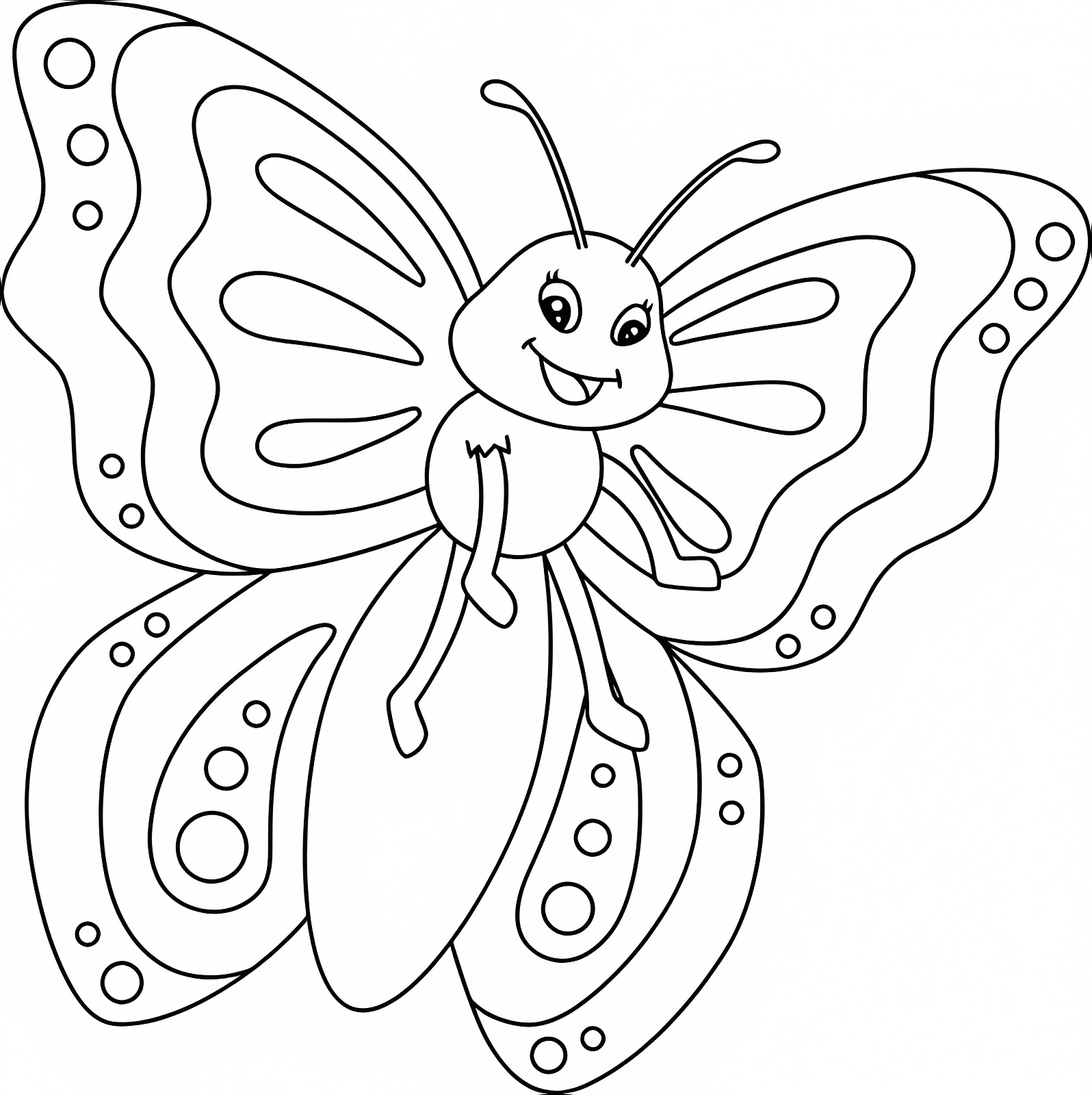
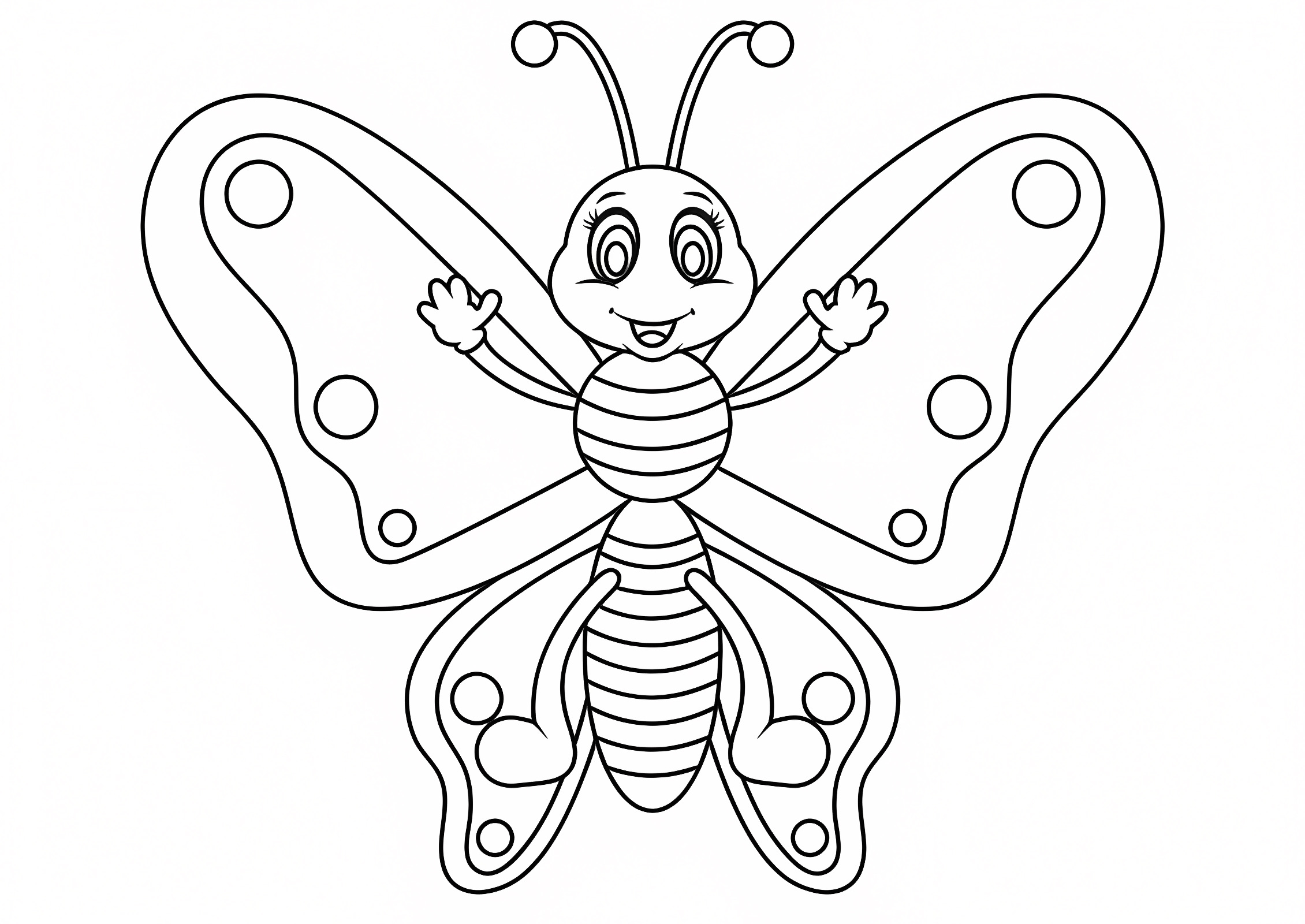
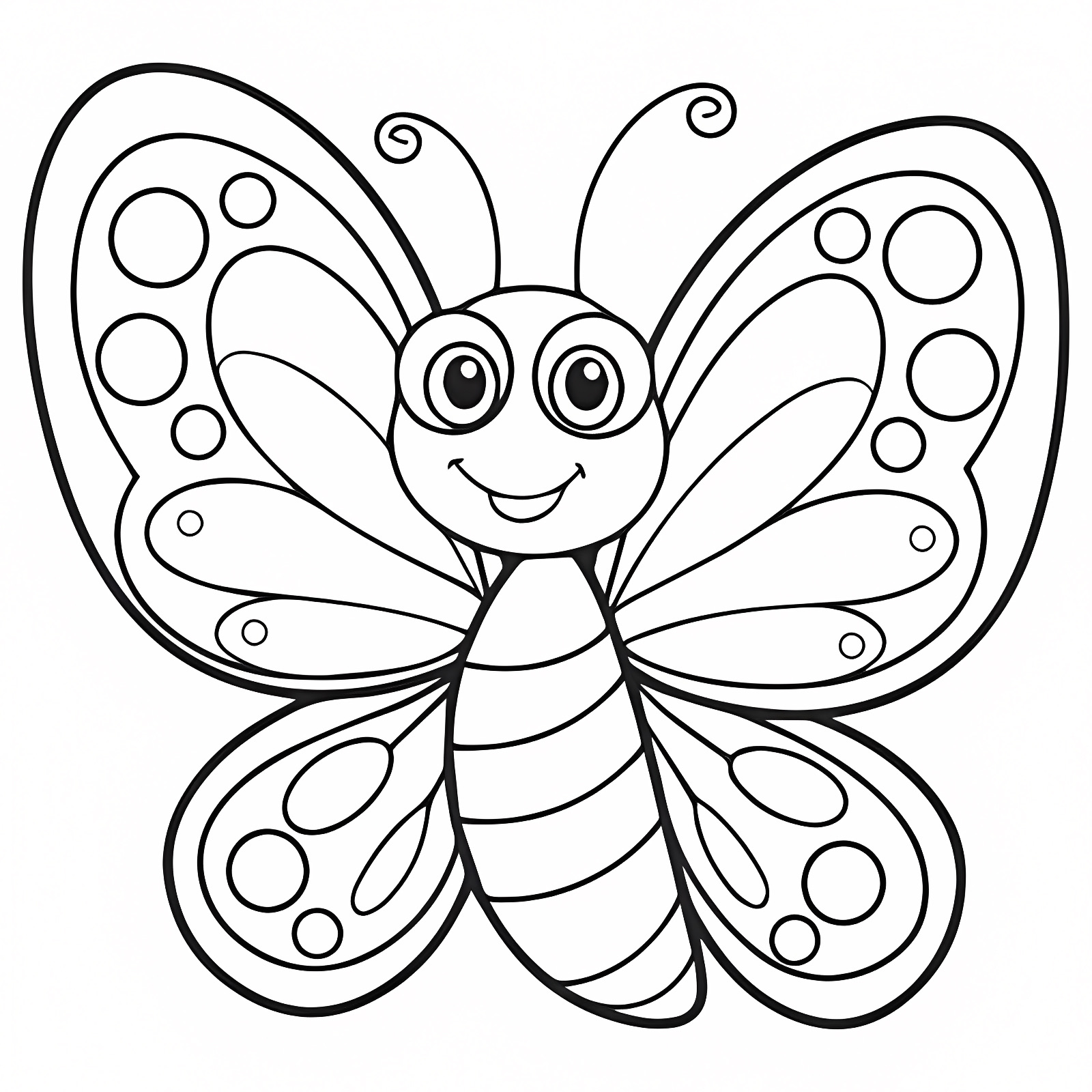
Between 3 and 4 years, attention span rises to about 8 to 15 minutes. The child begins recognizing shapes and attempting to stay within large zones. Simple coloring pages with large areas, such as butterflies with wide wings or basic geometric forms, work perfectly at this stage.

From 4 to 5, children can maintain focus for 15 to 25 minutes and begin choosing colors with intention. This is the ideal moment to introduce slightly more detailed coloring pages with medium-sized zones and themes that interest the child.

Between 5 and 7, concentration can reach 20 to 35 minutes. Alphabet letters or number coloring pages are excellent at this age as they combine learning with attention training. From age 7-8 onward, some children can color for 30 to 45 minutes or more, tackling complex designs and detailed scenes.

These durations are indicative averages. Do not worry if your child falls slightly below. What matters is observing steady progress over weeks and months of practice.

💡 Key takeaways

  • At ages 2-3, coloring focus lasts about 3 to 8 minutes on average
  • At ages 3-4, attention span rises to approximately 8 to 15 minutes
  • At ages 4-5, children can maintain focus for 15 to 25 minutes
  • Between ages 5 and 7, concentration can reach 20 to 35 minutes
  • From age 7-8, some children can color for 30 to 45 minutes straight
4

How to Maximize the Benefits

The environment where the child colors has a significant impact on focus. Choose a quiet, well-lit space with a table and chair suited to their height. Remove distractions by turning off screens and putting visible toys away. A gentle background of nature sounds or soft classical music can help.

Timing matters too. Most children focus better in the morning after breakfast or in the early afternoon after rest. Avoid moments of fatigue or overexcitement, such as right after returning from school or intense physical activity.

Offer a coloring page matched to your child's level, as one that is too simple will bore them while one too complex will discourage them. The ideal coloring page represents a slight challenge without being overwhelming. Watch for your child's signals: if they start rushing or fidgeting, the page is probably too difficult or the session too long.

Establish a regular coloring routine because consistency produces the best results. Even ten minutes daily after a snack will be more beneficial than one long session on the weekend.

Praise the process rather than the result. Instead of saying "That is a beautiful picture," try "I can see you really took your time choosing colors" or "You were very careful about staying inside the lines." These comments reinforce the concentration effort itself, not just the finished product.

💡 Key takeaways

  • Choose a quiet well-lit space free from distractions for coloring sessions
  • Morning or early afternoon are the most favorable times for concentration
  • Ten daily minutes are more effective than one long occasional weekend session
  • Match page difficulty to the child's level to avoid boredom or discouragement
  • Praise the process and concentration effort rather than the finished result
5

Choosing the Right Coloring Pages for Focus

Not all coloring pages are equal when it comes to attention training. For younger children, choose drawings with thick, well-defined outlines containing 5 to 10 distinct zones. Simple animals like butterflies, fish or snails are ideal because their shapes are both recognizable and easy to fill.

For children aged 4 to 6, educational pages combining learning and coloring are particularly effective. Alphabet letter or number coloring pages require a double concentration effort: the child must both identify the character and color it carefully. This type of page exercises visual attention and memory simultaneously.

Repetitive patterns such as symmetrical butterfly wings or series of shapes are excellent for extending concentration. The repetition brings comfort and predictability that reassures the child and allows them to stay engaged longer. For older children, pages with many small zones or detailed geometric patterns provide an ideal challenge.

Avoid coloring pages with zones that are too tiny for young children. Zones so small that they are difficult to fill neatly generate frustration and the desire to give up, which is the exact opposite of the intended goal.

💡 Key takeaways

  • For young children, choose pages with 5 to 10 zones and thick outlines
  • Educational letter and number pages combine learning with attention training
  • Repetitive patterns extend focus through comforting and predictable repetition
  • Avoid tiny zones that generate frustration and the desire to give up
  • Simple animals like butterflies and fish are ideal for beginners
6

Coloring for Children with ADHD

Attention deficit hyperactivity disorder affects approximately 5 percent of school-age children. For these children, maintaining focus on a task is a daily challenge that affects their academic, social and family life. Coloring can be a helpful complementary tool, provided the approach is adapted.

Start with very short sessions, sometimes as brief as 2 or 3 minutes. The initial goal is not to complete an entire picture but to experience a positive moment of concentration, however brief. Gradually increase duration, minute by minute, over the weeks.

Choose drawings with medium-sized zones, neither too large (which seem endless) nor too small (which require frustrating precision). Themes that passionately interest the child should be prioritized above all, as personal interest is the most powerful driver of focus in children with ADHD.

The environment should be particularly uncluttered. A clear desk, with the child's back to the wall rather than facing a window, in a quiet room. Some children with ADHD focus better with noise-canceling headphones or white noise. Others benefit from holding a sensory object in their other hand, such as a fidget, to channel their need for movement.

Frequent breaks are essential. Offer a short work cycle followed by a micro-break, such as 3 minutes of coloring then 1 minute standing to stretch. This alternation respects the neurological functioning of the child with ADHD and allows them to progress without exhaustion.

Do not hesitate to break the coloring page into visually identifiable steps. You might lightly circle three or four zones and ask the child to start with those. This segmentation makes the task less intimidating and provides achievable micro-goals that nourish the feeling of success.

It is important to emphasize that coloring does not replace medical or psychological care for a child diagnosed with ADHD. It is a complementary tool that, practiced regularly, can help improve attention and provide a valued calm moment in the child's day. Discuss it with the healthcare professional who follows your child to integrate coloring into a comprehensive approach.

💡 Key takeaways

  • ADHD affects approximately 5 percent of school-age children worldwide
  • Start with 2 to 3 minute sessions then increase duration very gradually
  • Themes the child is passionate about are the strongest concentration lever
  • A clutter-free environment with a clear desk is essential for ADHD children
  • Alternate 3 minutes of coloring with 1 minute breaks for ADHD children

Other Guides

Reader reviews

4.6/5(based on 10 reviews)

Leave a review

MMamanMultitask
May 26, 2025

Very good guide for parents looking for screen-free activities.

MMamanSoleil_
Jul 7, 2025

My kids never get tired of it! Thanks for this goldmine.

PPetitChefCrea
Jul 17, 2025

Super article! My youngest aged 3 benefits from it too.

PPtitCanari
Aug 9, 2025

We tested it this weekend and the kids asked for more. Approved!

MMamanPasParfaite
Aug 27, 2025

Well done for the content quality. It's a change from half-empty blogs.

AArcEnCielMaison
Aug 31, 2025

This is exactly the type of guide every parent should read.

LLesGribouillis
Sep 17, 2025

Thank you so much! Exactly what I needed to keep the kids busy.

LLesColorines
Sep 24, 2025

Top of the top! I've read several guides and they're all great.

PPapaCactus_
Oct 26, 2025

Thanks, you saved our holidays! The kids were thrilled.

CCreaMaison33
Nov 13, 2025

A bit repetitive at times but overall very useful.