Fine Motor Development
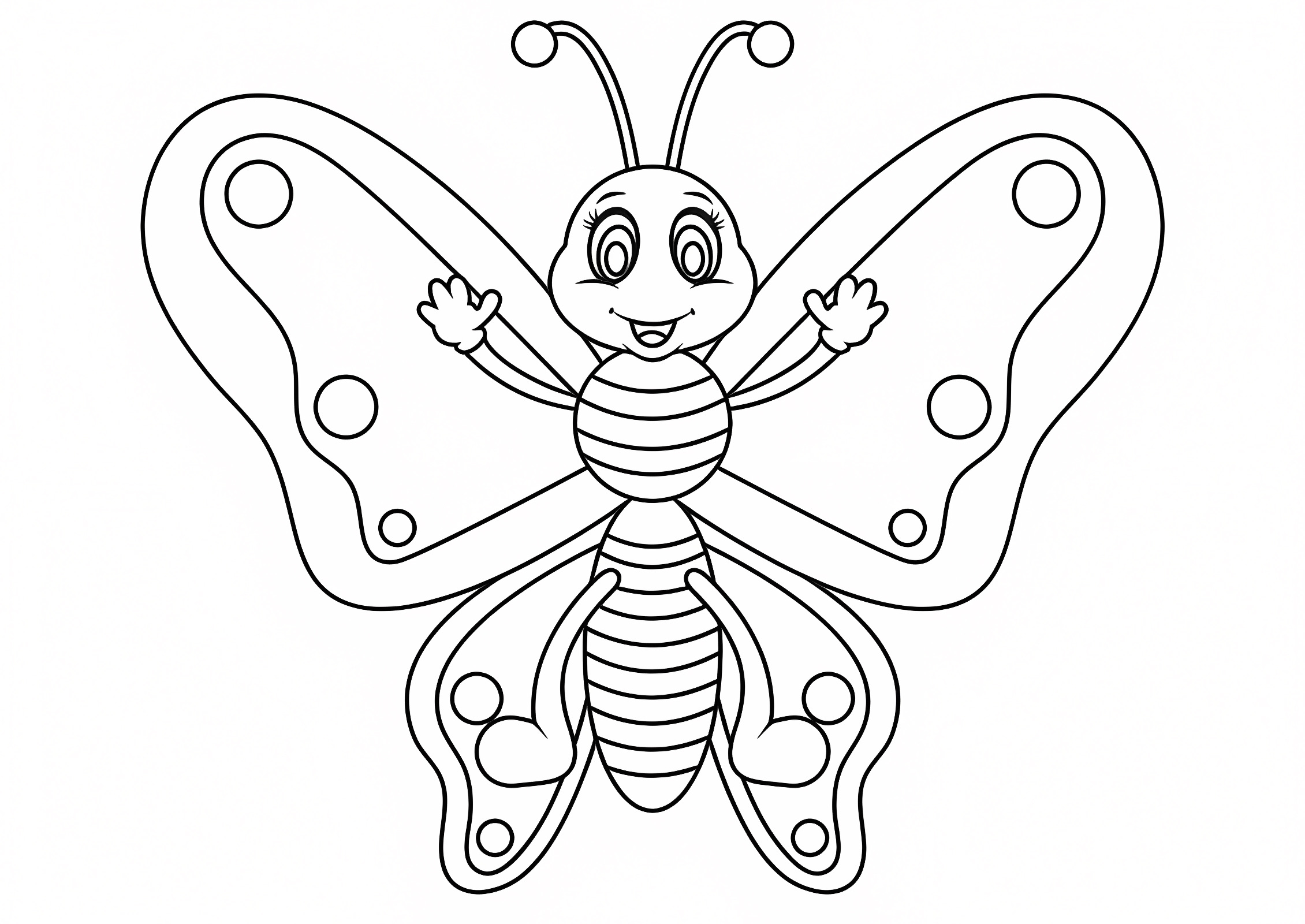
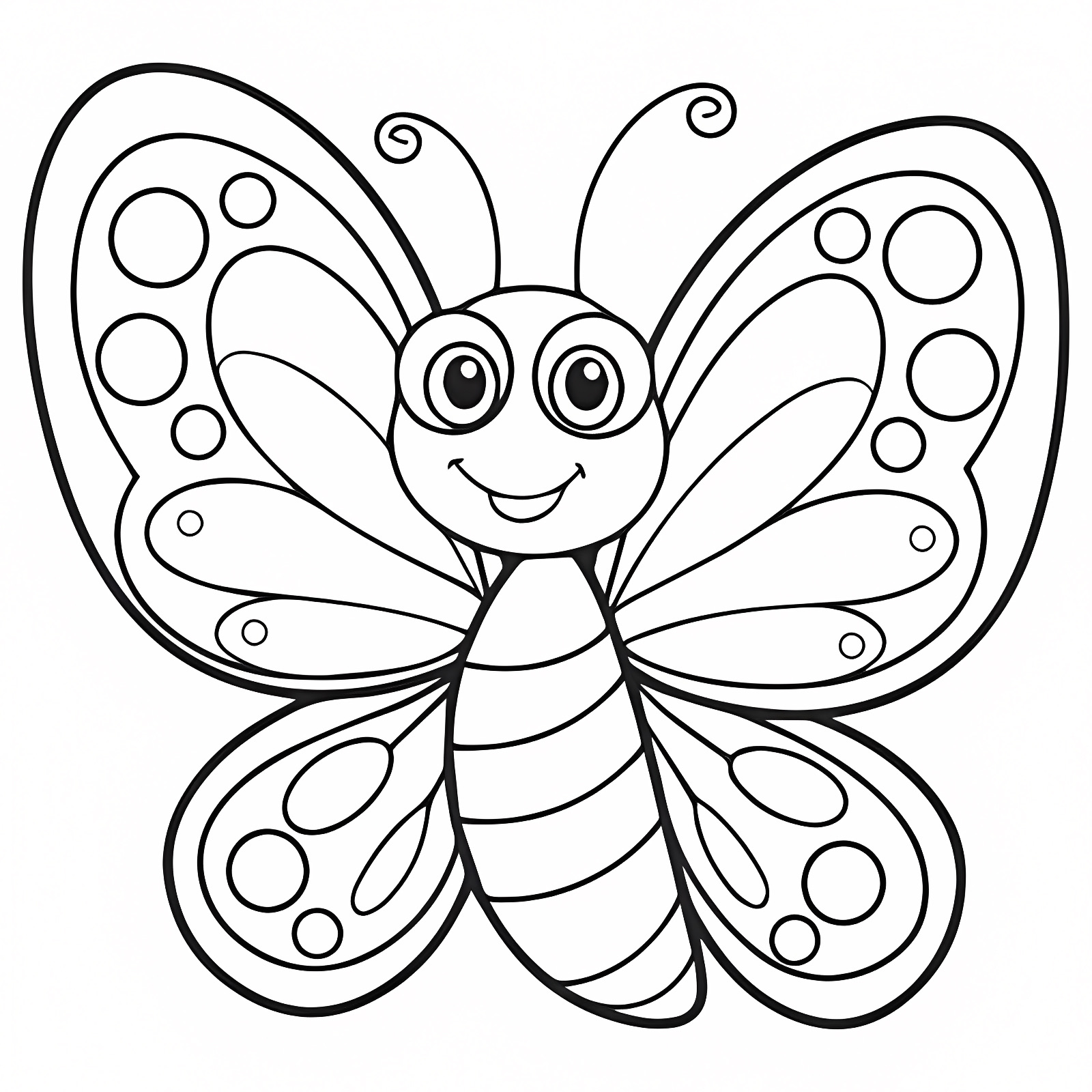
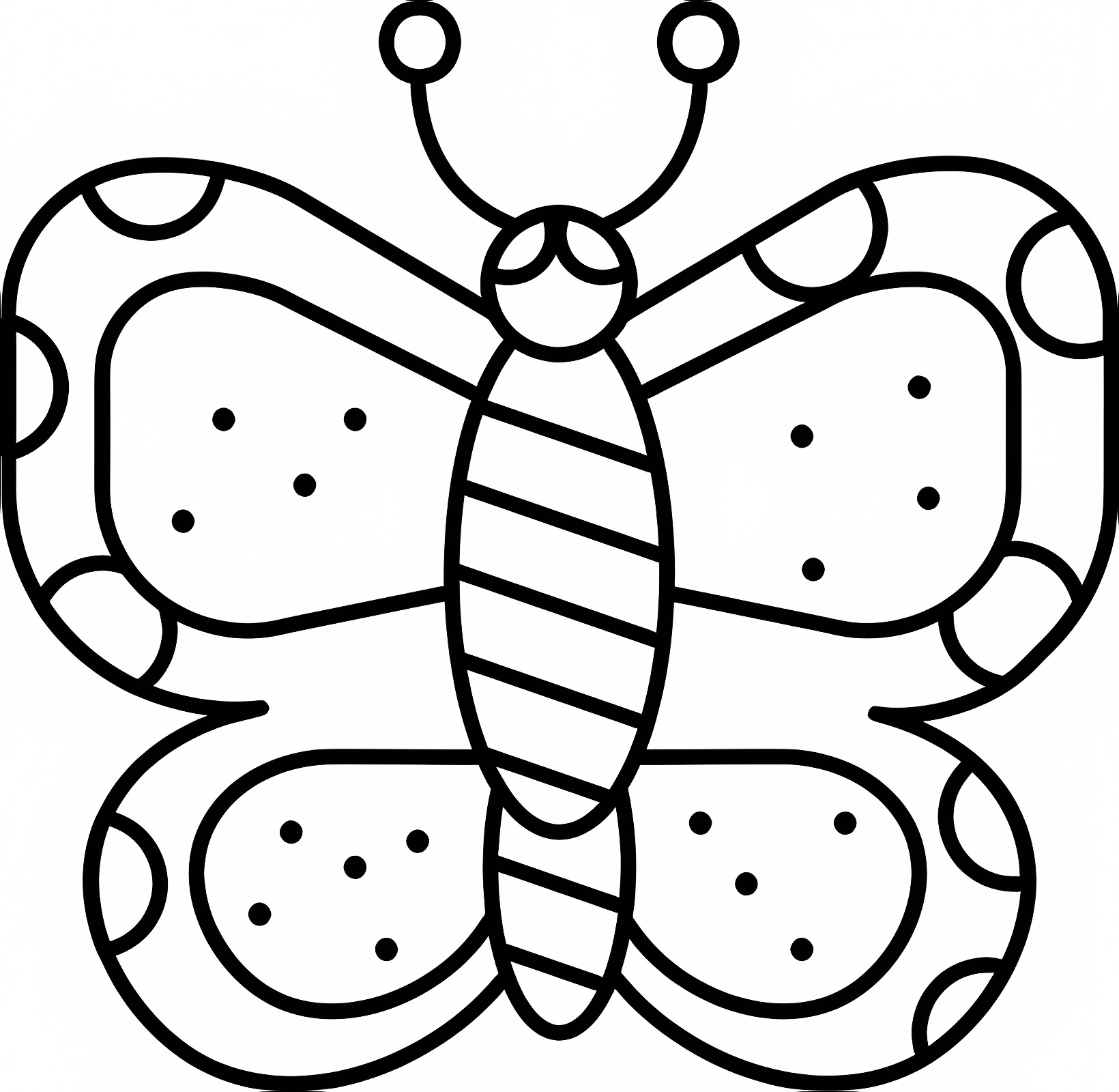
Fine motor skills refer to the ability to perform precise movements with the small muscles of the hands and fingers. Coloring is one of the best daily exercises for building these skills between ages 2 and 7.
When a child colors, they engage several motor skills at once. Hand-eye coordination is constantly at work: the eye identifies the area to fill, guides the pencil to the right spot and controls movement to stay within outlines. This continuous interplay between visual perception and motor action strengthens the neural connections essential for writing.
Pencil grip itself is a fine motor exercise. The child gradually progresses from a palmar grip, with the pencil clenched in the fist, to a mature tripod grasp, where three fingers control the tool with precision. This evolution happens naturally through coloring sessions as hand muscles strengthen.
Pressure control is another essential aspect. Pressing too hard tires the hand and breaks pencil tips. Pressing too lightly produces a pale, unsatisfying result. The child learns to regulate their force instinctively, developing proprioceptive sensitivity valuable for all future manual activities.
Coloring also directly prepares the writing gesture. The circular movements, horizontal back-and-forth strokes and vertical lines practiced while coloring are the same basic gestures that form alphabet letters. A child who colors regularly arrives at primary school with a hand better prepared for cursive writing.
💡 Key takeaways
- Hand-eye coordination strengthens with every coloring session
- The tripod pencil grasp develops naturally between ages 2 and 7
- Pressure control on the pencil builds proprioceptive sensitivity over time
- Coloring directly prepares the foundational gestures needed for writing
- Circular and linear coloring movements form the basis of alphabet letters