🏫

Coloring in Preschool

8 min read6 sectionsUpdated February 9, 2026
Coloring in Preschool

Coloring holds a central place among the activities offered in preschool. Far from being a simple end-of-day pastime, it is a genuine educational tool that serves multiple learning goals. It develops fine motor skills, prepares for writing, builds concentration and supports the child's understanding of the visual world.

This guide is intended for preschool teachers, teaching assistants and parents who wish to understand the role of coloring in their child's educational journey. It provides a detailed progression by level and practical ideas for making the most of this activity.

The Place of Coloring in the Preschool Curriculum
1

The Place of Coloring in the Preschool Curriculum

In preschool curricula around the world, coloring falls within the arts and creative expression domain. It also contributes to exploring the world when associated with themes like seasons, animals or the human body. Coloring supports language development when the child names colors, describes their picture or listens to instructions.

Official guidelines specify that the child must progressively learn to control their graphic gesture, fill surfaces and use varied tools. Coloring is one of the activities most directly linked to these objectives. It is not a trivial exercise handed out to keep children busy, but a structured learning time that deserves genuine pedagogical attention.

In daily classroom practice, coloring can be offered as a directed activity with a specific instruction and an identified objective. It can also be made available as an independent activity in an art corner where the child freely chooses their coloring page. Both approaches are complementary and develop different skills.

💡 Key takeaways

  • Coloring falls within the arts and creative expression domain in preschool curricula
  • It also contributes to world exploration through seasonal and animal themes
  • Coloring can be offered as directed activity or free independent choice
  • Children must progressively learn to control gestures and fill surfaces properly
  • Directed and independent coloring approaches are complementary in the classroom
Coloring by Class Level
2

Coloring by Class Level

Ages 2-3 (Pre-K)

At this stage, the child is discovering drawing tools and learning to leave an intentional mark on paper. Structured coloring is not yet the main objective. The child is in an organized scribbling phase, exploring circular movements and vertical and horizontal strokes.

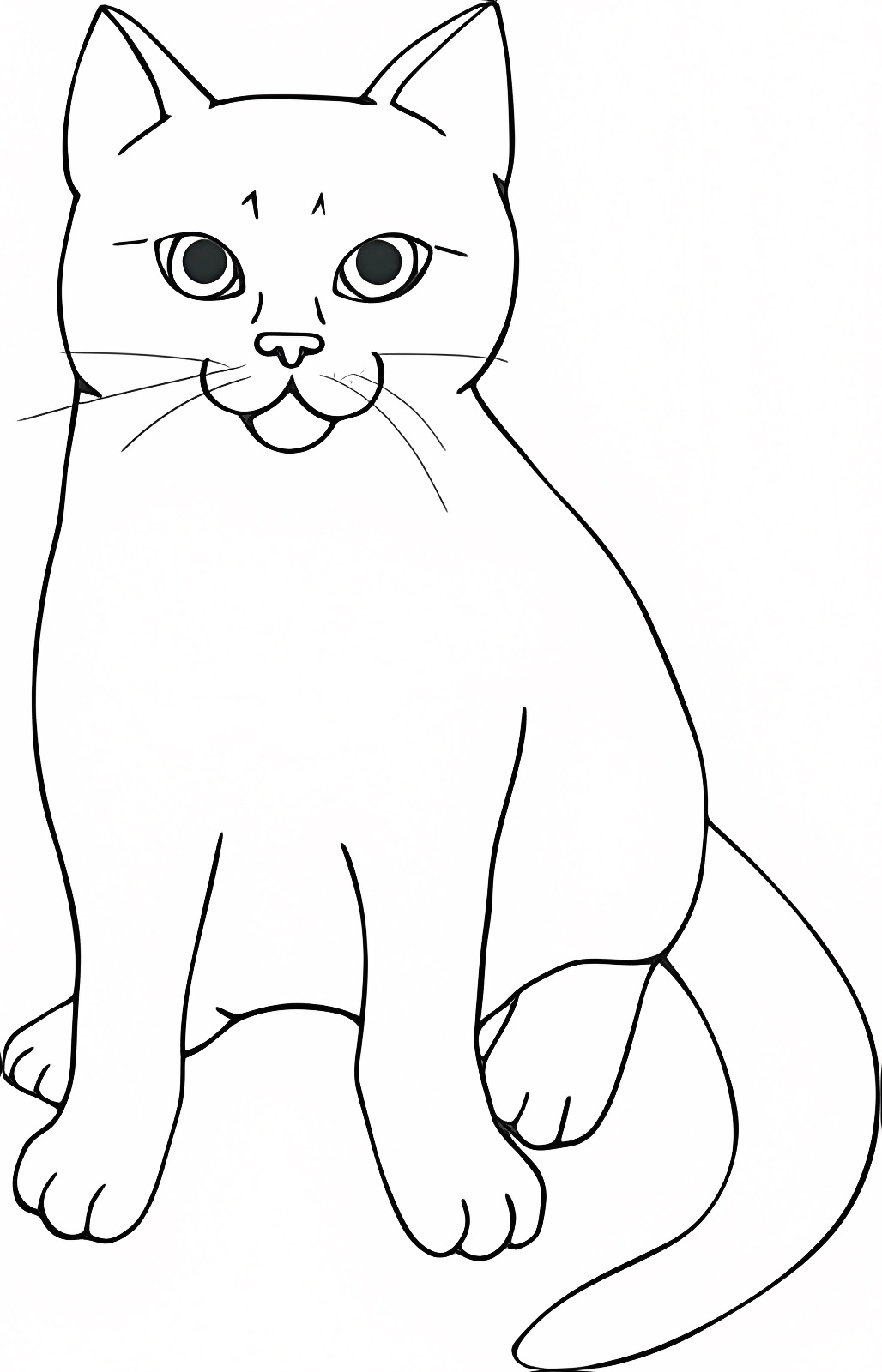
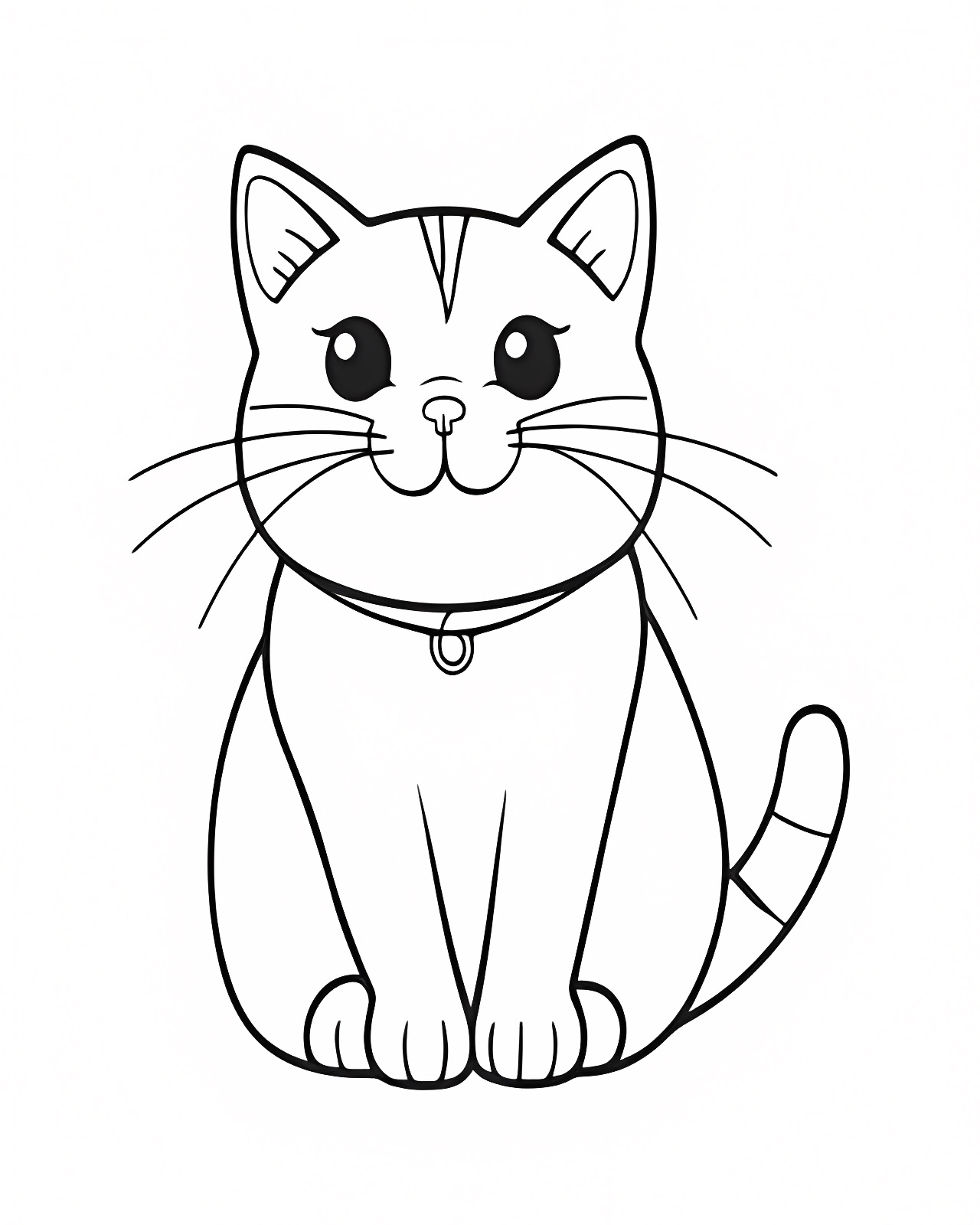
The materials offered should be very simple: wide shapes with thick outlines, ideally in color so the child can clearly identify the zone to fill. Animals with round silhouettes, such as cats or fish, work very well. Limit the number of zones to three or four per page.

Suitable tools are thick wax crayons, oil pastels or wide-tip markers. The gesture will be imprecise and will overflow the outlines considerably. This is normal and expected. The teacher celebrates the fact that the child held the tool, made movements and filled part of the surface. The activity typically lasts no more than 5 to 10 minutes.

Ages 4-5 (Pre-K to Kindergarten)

The child truly enters coloring at this stage. They begin to understand the concept of outlines and make a conscious effort to stay within boundaries. Pages can contain five to ten zones with medium surfaces. Seasonal themes are particularly relevant: autumn leaves, snowflakes, spring flowers. They allow coloring to be connected to learning about the passage of time.

The teacher can begin giving color instructions such as "Color the cat orange" or "Use three different colors." These simple instructions add a cognitive dimension to the activity and accustom the child to listening and following directions.

Concentration on coloring reaches 10 to 20 minutes. The child begins to take pleasure in completing their picture and showing the result, a positive sign of intrinsic motivation that should be encouraged.

Ages 5-6 (Kindergarten)

Coloring becomes an exercise in precision and patience. The child can color relatively small zones while staying within outlines. They choose colors with intention and can justify their choices. Pages gain in complexity: scenes with multiple characters, alphabet letters, illustrated numbers, detailed animals. Coded coloring pages, where each zone bears a number or letter corresponding to a color, are excellent for simultaneously working on symbol recognition and fine motor skills.

The child can color for 20 to 30 minutes with sustained attention. This is the ideal time to introduce simple techniques: coloring in the same direction, leaving no white gaps, applying consistent pressure. These instructions directly prepare the writing skills that the child will develop in first grade.

At this level, coloring can also serve as an assessment tool. The teacher observes tool grip, respect for outlines, filling quality and the child's engagement to identify any motor or attention difficulties.

💡 Key takeaways

  • At ages 2-3, offer wide shapes with thick outlines and 3-4 zones maximum
  • Sessions last 5 to 10 minutes at most for the youngest preschoolers
  • At ages 4-5, color instructions add a valuable cognitive dimension to coloring
  • At ages 5-6, coloring directly prepares writing skills for first grade
  • Coded coloring pages are excellent for recognition skills in final preschool year
3

Educational Objectives

The first objective is fine motor development. Coloring requires controlling the small muscles of the hand and fingers, regulating pressure on the tool and coordinating wrist and forearm movements. These motor skills are the foundation of cursive writing.

The second objective is spatial awareness. While coloring, the child learns to identify boundaries, distinguish inside from outside and recognize distinct zones. This spatial perception is essential for reading and writing, where the child will need to distinguish similar letters and respect lines.

The third objective involves learning colors and associated vocabulary. Naming colors, comparing them and associating them with real objects are language skills that coloring develops naturally over the course of sessions.

The fourth objective is strengthening concentration and the ability to follow instructions. Following a direction, completing a task and staying attentive for several minutes are cross-cutting skills essential for academic success.

Finally, coloring contributes to self-confidence and personal expression. The child produces something visible and concrete they can show and be proud of. This sense of accomplishment is a powerful driver of motivation for future learning.

💡 Key takeaways

  • Fine motor development is the primary educational objective of preschool coloring
  • Spatial awareness teaches children to identify boundaries and distinct zones
  • Naming and comparing colors naturally develops language skills over time
  • Following instructions and sustaining concentration are essential cross-cutting skills
  • Self-confidence grows when children produce something concrete and visible
4

Workshop Ideas

The seasonal workshop is a proven approach. With each change of season, offer a series of themed coloring pages: leaves and mushrooms in autumn, snowmen and pine trees in winter, flowers and butterflies in spring, sun and sea in summer. Display the productions in the school hallway to celebrate the children's work.

The alphabet coloring workshop pairs one letter per week with a coloring page starting with that letter. During C week, children color a cat. During B week, a butterfly. This approach connects coloring to reading in a playful and concrete way.

The free coloring corner is indispensable. Set up a permanent coloring area in the classroom with pages sorted by difficulty, pencil pots organized by color and an accessible table. Children go there when they have finished an activity or during free time. This setup promotes autonomy and time management.

The collaborative coloring workshop uses a large A3 or A2 page that several children complete together, each assigned a zone or color, developing cooperation and respect for each other's work. The song-coloring workshop pairs a coloring page with a nursery rhyme learned in class, reinforcing memorization and creating an emotional connection with the material.

💡 Key takeaways

  • Seasonal workshops connect coloring to broader learning about the world
  • The alphabet workshop pairs one letter per week with a themed coloring page
  • A permanent free coloring corner is indispensable in every preschool classroom
  • Collaborative large-format coloring develops cooperation and teamwork among children
  • Song-coloring workshops pair coloring pages with nursery rhymes learned in class
5

Mistakes to Avoid

The first mistake is offering coloring pages that do not match the child's level. A page that is too difficult for young children, with tiny zones and many details, will only generate frustration. Conversely, a page that is too simple for older children will bore them and not support progress.

The second mistake is criticizing the result or correcting the child negatively. Comments like "You went outside the lines" or "That is not the right color" are counterproductive. They associate coloring with failure and demotivate the child. Prefer encouragement focused on effort: "You really concentrated" or "I can see you tried to stay inside the lines."

The third mistake is using coloring only as a filler activity without educational intention. Handing out a coloring page to keep children busy while waiting for lunch does not carry the same value as a structured workshop with a clear objective. Coloring deserves to be planned as genuine learning time.

The fourth mistake is imposing realistic colors. Requiring a tree to be green and a sky to be blue stifles creativity. Unless there is a specific instruction, let the child choose freely. A purple sun or a pink cat reflects an imagination that should be encouraged.

The fifth mistake is neglecting posture and tool grip. If the child colors with a poor pencil grip or in an uncomfortable posture, they will develop habits that are difficult to correct later. Take time to regularly check hand and body position during the coloring activity.

💡 Key takeaways

  • Always match coloring page difficulty to each individual child's level
  • Never criticize results and encourage effort over performance every time
  • Coloring deserves clear educational intent rather than serving as mere filler
  • Do not impose realistic colors unless a specific model instruction requires it
  • Regularly check children's posture and pencil grip during coloring activities
6

Assessing Coloring in Preschool

Assessment in preschool is not grading. It takes the form of continuous, supportive observation that tracks each child's progress and identifies potential difficulties.

Observable criteria evolve with age. At ages 2-3, observe whether the child participates in the activity, holds the tool functionally and produces intentional marks on paper. At ages 4-5, check whether the child stays within large zones, uses multiple colors and completes the activity. At ages 5-6, evaluate gesture precision, respect for outlines, filling quality and pencil grip stability.

Observation should ideally happen during the activity, not only from the final result. A child may produce an imperfect coloring page while having made a considerable effort in concentration and gesture control. Conversely, a clean result achieved by rushing through does not necessarily reflect progression.

Regularly save dated coloring pages in the child's progress folder. Comparing a September page with a June page is often spectacular and provides excellent material for parent meetings. It allows you to show concretely the progress made in fine motor skills, attention and spatial mastery.

If a child in the final preschool year still shows significant difficulties such as a poor tool grip, inability to stay within outlines or rejection of the activity, it is appropriate to discuss this with the school nurse or educational psychologist, as these may signal a fine motor delay or attention disorder that would benefit from early support.

💡 Key takeaways

  • Preschool assessment is continuous supportive observation rather than grading
  • Observable criteria evolve with age from youngest to oldest preschool levels
  • Observe during the activity itself not only the final coloring result
  • Save dated coloring pages to demonstrate progress to families at meetings
  • If significant difficulties persist in the final year, consult the school nurse

Other Guides

Reader reviews

4.5/5(based on 6 reviews)

Leave a review

PPapaArtiste_
Mar 5, 2025

Very thorough guide that covers all aspects. Nothing is missing.

LLesCreatifs_
Apr 18, 2025

We do this every Sunday morning, it's become sacred.

MMamanBienveillante
Jul 6, 2025

Thank you for this complete guide. We really need more content like this.

MMamanConnect
Sep 21, 2025

Thank you endlessly for these free resources. You're changing our weekends!

MMiniJungle_
Sep 23, 2025

I printed and laminated the tips, they're displayed in the playroom.

MMamzelleRose
Oct 19, 2025

Finally a guide that explains things simply and clearly.